

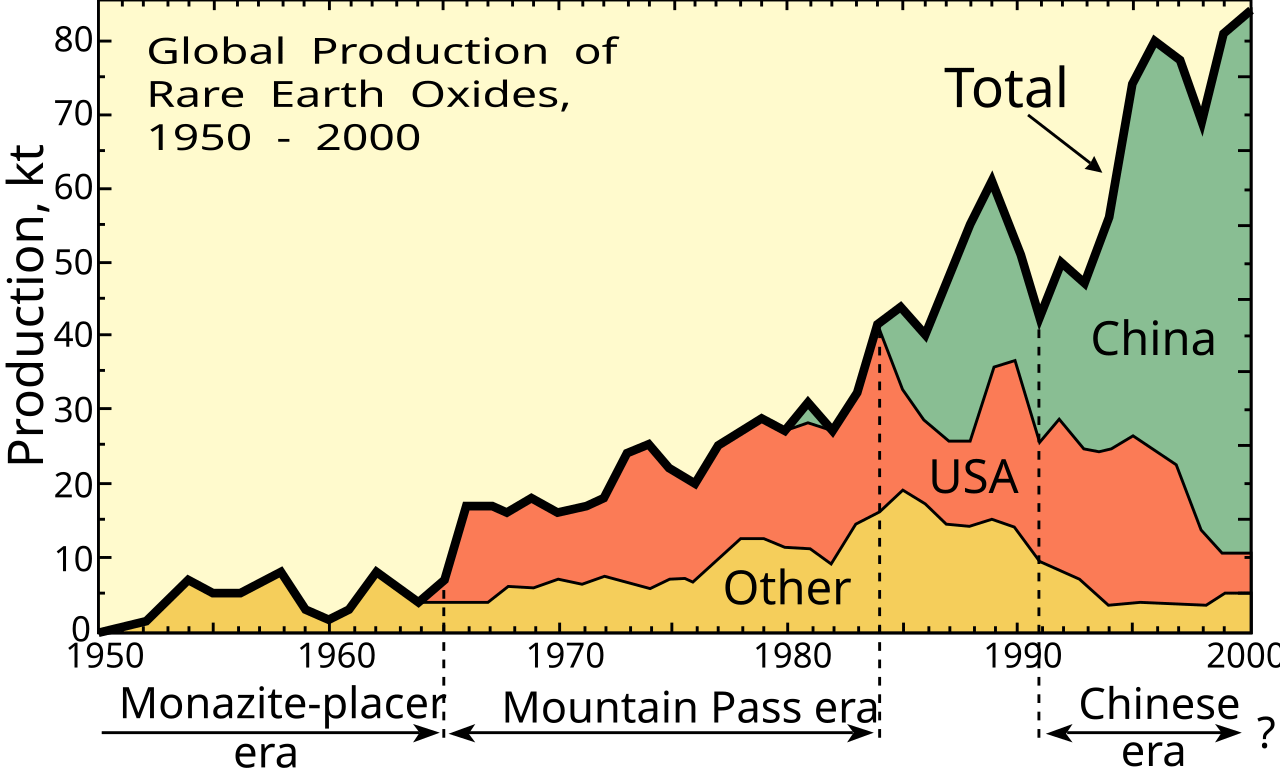
The specter of supply chain vulnerability, particularly concerning economically and national security critical minerals like rare earth elements (REEs), is once again attracting attention. In response, the concept of strategic national stockpiles has once more gained visibility, envisioned as a buffer against geopolitical disruption and national security vulnerabilities.
However, a closer examination reveals that stockpiling REEs, while intuitively appealing, is fundamentally flawed as a primary solution to the core problem: the extreme difficulty and lack of profitability in establishing domestic production.
The very reason nations resort to massive imports of REEs – primarily concentrated in a few geographies – is the daunting challenge of domestic extraction and processing. Establishing viable mines requires overcoming immense environmental hurdles, securing lengthy regulatory approvals, and developing highly specialized, often polluting, separation technologies. Crucially, the economics are frequently prohibitive. Competing with established, often state-subsidized producers abroad, especially when global prices fluctuate, makes domestic ventures high-risk and frequently unprofitable without massive, sustained government intervention that may distort markets.
Stockpiling does nothing to resolve the underlying structural barriers to domestic production; it merely acknowledges and attempts to temporarily work around them.
Furthermore, the sheer scale required for a "meaningful impact" stockpile presents an almost insurmountable task. Industries like microelectronics, electric vehicles, aerospace, and defense don't consume REEs in trivial amounts; they require vast, continuous flows. Building a reserve large enough to supply these sectors for months or even years during a major disruption would demand astronomical investment. The initial acquisition cost of the raw materials is colossal, but this pales next to the expenses of secure storage, continuous inventory management, quality control, and potential refreshment cycles to prevent degradation.
The financial burden of creating and maintaining a truly impactful stockpile rivals or even exceeds the investment needed to kickstart domestic production, yet without fostering long-term resilience.
Time is another critical, often overlooked, factor. Constructing a stockpile sufficient to materially reduce dependence isn't achieved in the short term. Rather, it requires years of sustained purchasing in global markets, potentially driving prices up and alerting competitors to one's strategic intent. Meanwhile, technological advancement marches on. The composition of REEs needed for cutting-edge applications in semiconductors, high-performance magnets for EVs and aviation, or advanced marine systems constantly evolves. A stockpile built today might be partially obsolete before it's even completed, containing elements no longer in peak demand or lacking the purity grades required for next-generation technologies.
The time lag inherent in building a large stockpile renders it a static solution in a dynamic technological landscape.
This challenge is acutely felt in the very sectors driving the demand for stockpiles. A disruption in neodymium or dysprosium supply could cripple electric motor production for vehicles and wind turbines. A lack of europium or terbium halts advanced display and lighting manufacturing. Scandium is vital for lightweight aerospace alloys.
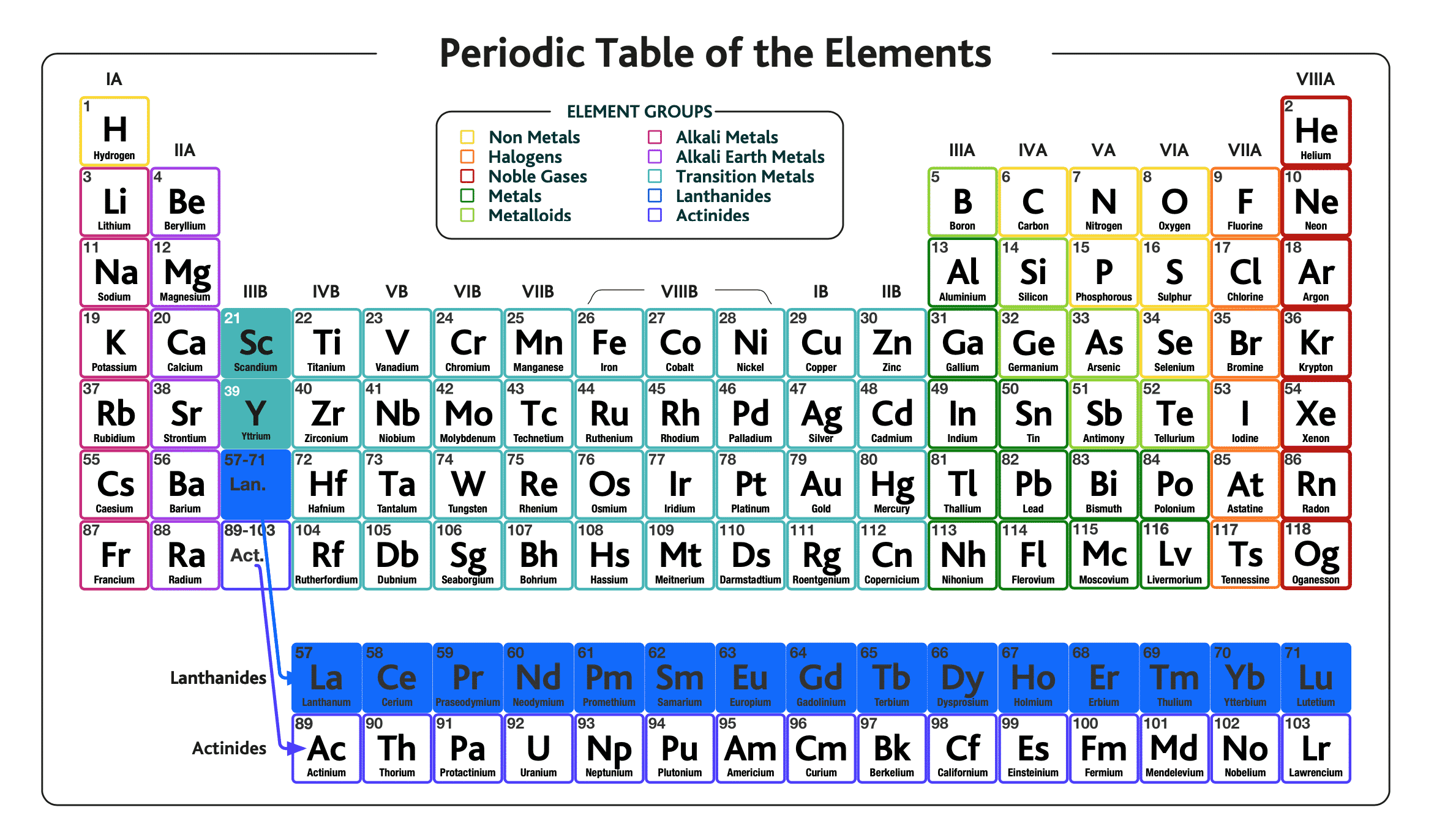
Rare Earth Elements (REEs) are a group of 17 chemically similar metallic elements comprising the 15 lanthanides (atomic numbers 57-71), plus scandium (21) and yttrium (39). You'll find the lanthanides typically placed in a separate block below the main body of the periodic table. Despite their name, most REEs are not particularly "rare" in the Earth's crust; their scarcity lies in their dispersed nature, making them difficult and costly to mine economically. Over time, a confluence of factors, including lower labor costs, less stringent environmental regulations, and significant government investment in processing infrastructure, led China to dominate global production. Australia, with its vast mineral resources and advanced mining expertise, has also emerged as a major producer, often focusing on projects with higher concentrations of specific REEs. These elements are indispensable to modern technology due to their unique magnetic, phosphorescent, and catalytic properties. For instance, Dysprosium and Neodymium are crucial for high-strength magnets found in electric vehicles, wind turbines, and hard drives. Cerium is used in catalytic converters and polishing compounds, while Europium and Terbium are vital for vibrant colors in LEDs and fluorescent lamps.
The quantities needed for these industries are so vast and their supply chains so integrated that a national stockpile, realistically, could only offer a short-term stopgap – perhaps weeks or a few months – buying time for emergency measures, but not eliminating dependence. It cannot compensate for the absence of a secure, long-term supply solution.
While government agencies and some think tanks have occasionally proposed large-scale stockpiling of rare earths as a means of reducing dependency on China and shifting leverage, most experts agree that this approach is fundamentally flawed. The enormous costs—both economic and logistical—and the rapidly evolving technological landscape render such reserves short-lived and insufficient for genuine resilience.1
Instead, industry and policymakers should prioritize diversifying supply chains, investing in recycling, and supporting responsible domestic production where feasible. Stockpiling, at best, offers a temporary mostly psychological reassurance rather than a sustainable strategic advantage.*
Conclusion
To sum up, while strategic stockpiles of rare earths might offer a limited, short-term psychological comfort or a brief buffer in a crisis, they are a fundamentally inadequate response to the core vulnerability.
They fail to address the root causes of import dependence – the economic and environmental infeasibility of widespread domestic production. The exorbitant cost, immense logistical complexity, lengthy build time, and risk of technological obsolescence make large-scale stockpiling a Sisyphean endeavor.
True resilience requires focusing resources not on hoarding the symptom, but on solving the disease: fostering diversified global supply chains (including allies), aggressively investing in recycling and material efficiency breakthroughs, supporting responsible domestic production where genuinely viable, and developing alternative materials. Stockpiling is, at best, a small piece of contingency planning; it is not a strategy for genuine mineral security.
In recent years, various government reports and think tank analyses have proposed that strategic reserves of REEs could serve as a buffer against supply disruptions (e.g., U.S. Department of Defense, 2019; CSIS, 2020). However, numerous authors have highlighted the enormous economic, logistical, and technological challenges associated with such stockpiles, arguing they do little to address fundamental supply chain vulnerabilities (O’Hanlon, 2022; Resources Policy, 2020).
U.S. Department of Defense (DoD) "Critical Material Strategy," U.S. Department of Defense, 2019. This report discusses the importance of securing supply chains for critical materials, including potential stockpiling strategies to support national security.
U.S. Department of Energy (DOE) "Critical Minerals and Materials," DOE Office of Fossil Energy and Carbon Management, 2021. The report emphasizes the importance of strategic reserves as one tool for resilience but notes the structural challenges of building adequate stockpiles.
Congressional Research Service (CRS) "U.S. Rare Earth Elements Supply Chain: Overview and Issues for Congress," CRS Report R46344, 2021. Explores proposals for stockpiles and discusses their limitations and the focus on developing domestic sources.
RAND Corporation, Atlantic Council, and CSIS have published reports assessing the strategic value and limitations of critical mineral stockpiles. "Critical Minerals and U.S. National Security," CSIS, 2020. Discusses strategic reserves alongside other measures like diversification and recycling.
The Economist: "Reserves are not enough," 2021, discusses the limitations of stockpiling globally.
Brookings Institution: Michael E. O’Hanlon, "Why stockpiling rare earths isn’t enough," 2022. Argues that resources and infrastructure are more effective levers than reserves.
"Critical Minerals and the Future of Supply Security," in Resources Policy, 2020. Discusses the challenges of establishing viable stockpiles and emphasizes technological and supply chain diversification.
Check this out on the same topic;
https://www.linkedin.com/posts/caroline-hyde-floyd_tech-trade-china-activity-7338673886659506176-gs40?utm_source=share&utm_medium=member_ios&rcm=ACoAAAACANgB6H62aQc-BjqmBkSe7juYOn7_eNc