

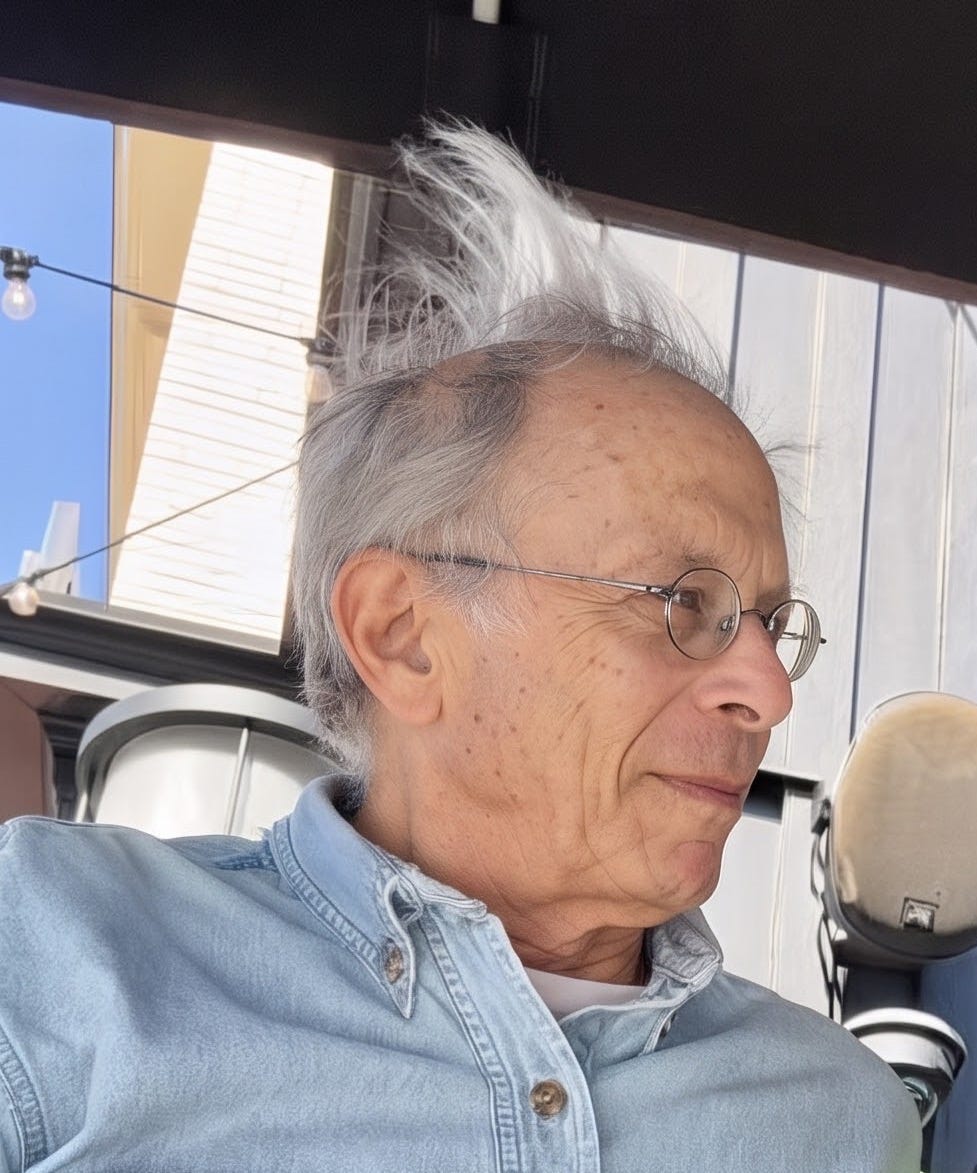
Robert Nurick (August 19, 1946 – November 6, 2026): A Tribute
I’m heartbroken to write that Bob Nurick, my friend of nearly fifty years, died during the night of Friday, November 6. He had celebrated his eightieth birthday on August 19, after a long and uneven recovery from surgery and chemotherapy for lung cancer.
Most of all, Bob was a kind, considerate and gentle soul. He would not have looked out of place in a seminary. He was always thoughtful of others, whether as a friend or a colleague, and he reached out naturally to people who needed help but were too shy to ask for it. His slight build, his smile and his soft voice hid how deep his knowledge of Russian and post-Soviet foreign policy went, and how well he could read it. Over a fifty-year career he held every post that marks success in foreign policy and international security. I won’t list them here; some are in the notes below, and the many reflections to come will do justice to his achievements.
For readers of Ariadne, I want only to set down a few memories of our friendship that will stay with me always.
I last saw Bob a week before he died. He was tired and weak, and frustrated with a nurse who was determined to get him into a wheelchair. He protested that he was too tired for exercise. I had walked into his room at exactly the right moment from the nurse’s point of view, and the worst possible timing from Bob’s. On an earlier visit I had offered to bring a hand mirror and my electric beard trimmer to tame the wiry, Rumpelstiltskin-like growth around his face. I had never known Bob to wear a beard, though he may have; there were stretches when I didn’t see him for months at a time. My own beard grew out of laziness during the pandemic and stayed.
The nurse enlisted my help, and together we lifted Bob into the wheelchair with ease, because he had lost so much weight. Out in the hallway, she told me to give him a tour of the care center and to take my time about it. I could see only the back of his head, so I could only guess how much he hated being wheeled around, a fate he would have escaped had I not walked in when I did.
As I pushed him along, we talked about our friendship from the beginning. We first met after he arrived in London as the new Assistant Director of the IISS. Later, at the Institute’s annual conference in Avignon, Bob met Sally, to whom I had recently been married. It tells you everything about Bob that from then on he was a dear and trusted friend to us both, and later to our two daughters. We were far from alone. Many of Bob’s friends could say the same of their whole families, and he was godfather to many of their children.
Taking advantage of my newly found authority I decided to take Bob into a doorway marked Employees Only, predictably we ran into a room full of them, rather than being directed out so many congratulated Bob on getting out and about - that’s how people felt about him soon after getting to know him. Bob declined to have his beard attended to, by me or by the nurses, and the concession was made. After all, he said, he didn’t have to look at it, and it wasn’t uncomfortable. I left with a feeling of emptiness. I had promised to return, but I could not be sure we would meet again. We did not. I left with a feeling of emptiness though I had promised to return I was not sure that our meeting was the last as it turned out to be.
Bob looked like he might run marathons, but didn’t. He understood, though, that progress in foreign policy and international security takes persistence and sustained effort. He kept pressing forward even when many others had given up on nuclear arms control. Over many years he supported me as my career interests took other directions. In the last couple of years I had told him my worry that major arms control achievements, such as the limits on nuclear weapons testing, were being weakened to the point of collapse, and that I had gone back to researching and writing about them. As always, he gave both encouragement and caution, and urged me on.
That work began as a revision of my 1980 Adelphi Paper on strategic nuclear weapons and ballistic missile testing, little of which still held up. It became The Last Treaty, first published in 2026. A revised edition will appear next spring, and I have dedicated it to Bob Nurick.
Farooq Hussain
This tribute is posted in the Discussion section of Ariadne to invite contributions from readers who knew Bob, or who wish to share thoughts on the cause he championed: advancing democracy in Russia and Eastern Europe. As other recollections of his life appear, I’ll add links to them below.
Biographical Notes
© 2026 Farooq Hussain