

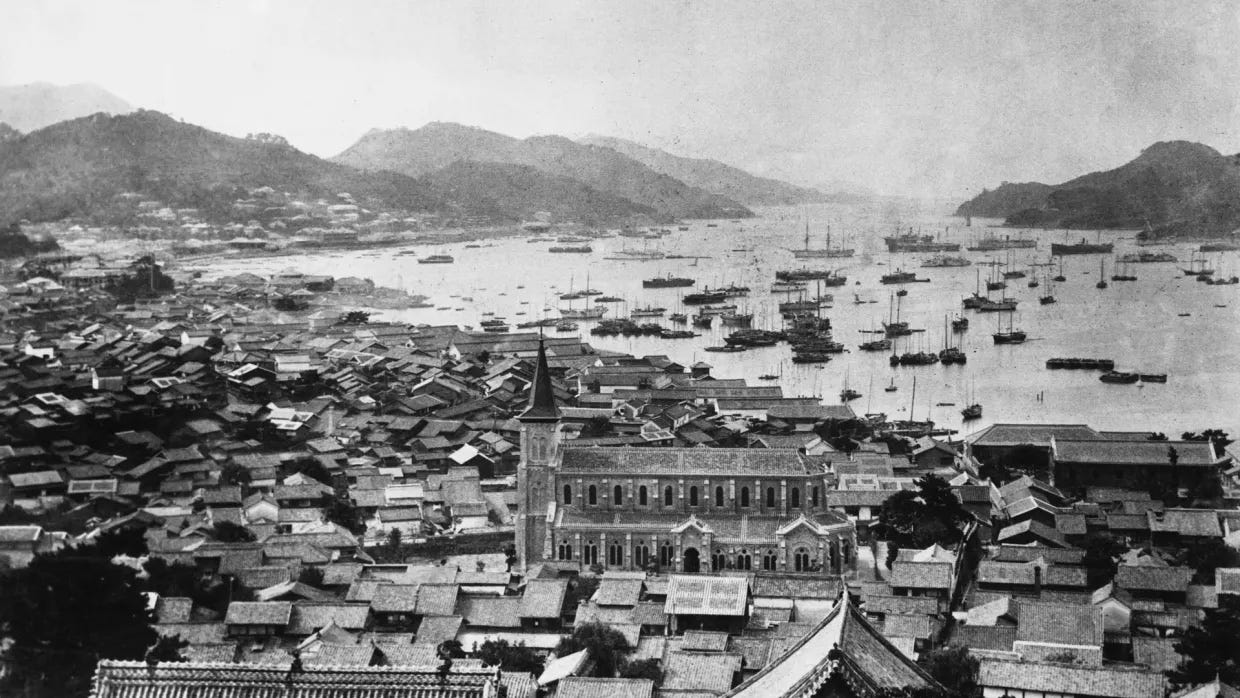
Eighty years ago, on August 9, 1945, the city of Nagasaki was devastated by the second atomic bomb to be dropped on Japan at the end of WWII. Unlike Hiroshima, whose name has become synonymous with the horrific effects of nuclear weapons, Nagasaki is often treated as lesser a tragic companion. But the story of its destruction—and the decisions that led to it—is far more complex, disturbing, and revealing than the popular narrative accounts suggest.
The Bomb That Came Too Late—and Too Soon
The war in Europe was already over when the United States successfully tested the world’s first atomic bomb on July 16, 1945, at the Trinity site in New Mexico. Before that moment, atomic weapons played no role in Allied plans for ending the Pacific war. The Manhattan Project, shrouded in secrecy and vast expense, had consumed unprecedented scientific and military resources—resources hidden from Congress and barely understood by President Truman himself.
Once the test succeeded, General Leslie Groves, the head of the Manhattan Project, was determined that the bomb be used—not to win the war, which most military leaders already believed was nearing its end—but to justify the project itself, and to shape the postwar world.
Truman gave the go-ahead. Military orders authorized the use of both available weapons: a uranium bomb (Little Boy) and a plutonium bomb (Fat Man). There would be no pause between them to assess Japan’s response.
A Surrender Already in Motion
Contrary to popular belief, the bombing of Nagasaki was not a reaction to Japan’s failure to surrender after Hiroshima. American cryptographers had broken Japanese codes well before the bomb was dropped on Hiroshima, and it was clear that Tokyo was seeking a way to end the war—particularly before the Soviet Union entered the conflict in Manchuria.
General Curtis LeMay, who oversaw the firebombing campaign that incinerated 67 Japanese cities, later stated bluntly: “The atomic bomb had nothing to do with ending the war.” He believed Japan was already defeated and that conventional bombing alone would have forced surrender within weeks.
Yet the momentum toward using both bombs was unstoppable. Having dropped the first, the second and months was inevitable.
The Targets: Civilian Cities, Not Military Strongholds
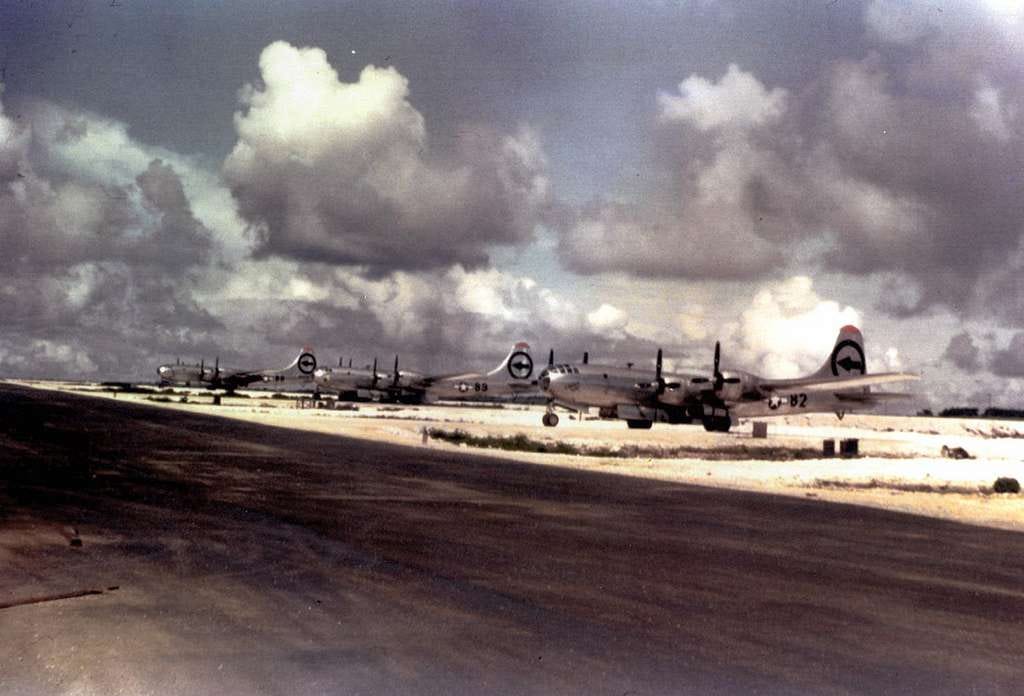
Neither Hiroshima nor Nagasaki was chosen for its military significance. The target list focused on cities with large civilian populations, intact urban centers, and topography that would amplify the bomb’s destructive effect. The objective was to demonstrate overwhelming force—not to strike military installations in particular. Of the remaining cities within range of the B-29 bombers stationed on Tinian Island, Kokura was chosen as the primary target for the second mission, with Nagasaki as the backup.
The weather dictated the timing. Forecasts suggested deteriorating conditions. Rather than delay the mission by weeks, it was moved up by two days. When Kokura was obscured by clouds and smoke, the crew diverted to Nagasaki.
The Ironies of a Doomed City
That Nagasaki was even on the list is one of history’s bitter ironies. It was the Japanese city most open to the West, a centuries-old hub of European trade and cultural exchange. It inspired Puccini’s Madame Butterfly. It was home to Japan’s largest Christian population—many of whom were attending Mass when the bomb exploded.
Among the dead were civilians, students, and entire families. Among the survivors: Allied prisoners of war, who were saved only because they were held underground at the time of the detonation.
Toward a Reckoning
This article is a preview of my forthcoming book to be released later this year that’s focused on the second atomic bombing mission one which was hampered by many problems so much so, that it could have easily failed. The book explores the flawed decision-making, operational chaos, and political motivations behind the second mission—drawing on personal recollections of the crews on the mission, other eyewitness accounts, official records, and decades of testimony some suppressed others neglected.
The myth of the atomic bomb as the clean, decisive end to the Second World War continues to dominate public memory. But the truth is more ambiguous—and more urgent to confront than ever.
On this 80th anniversary, we remember not only what happened, but what might have been avoided.
Subscribe to Ariadne for updates on the book's release and exclusive excerpts before its publication in 2026.